
Fort Pierce
Request An Appointment at our Fort Pierce Location Today!
Welcome to Windsor Imaging – Fort Pierce
Our Imaging Services
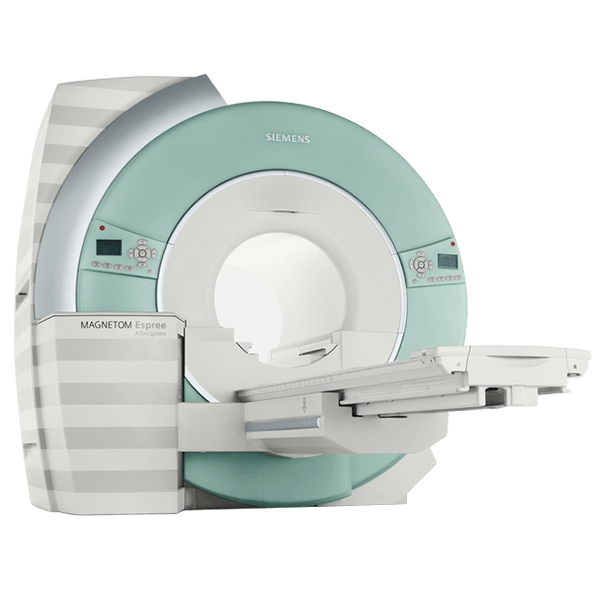
How it works:
- A magnetic field aligns hydrogen protons.
- Radiofrequency waves excite these protons.
- A coil captures emitted signals.
- A computer processes these into images.
What to expect / Preparation:
- No special prep—eat normally and continue medications unless told otherwise.
- Remove metal objects such as jewelry, coins, and credit cards.
- Notify staff if you have medical implants (e.g., pacemaker, IUD, surgical staples), tattoos, permanent eyeliner, or if you’re pregnant.
During your scan, a technologist will be present and reachable via intercom. Contrast may be used when required.
Breast Ultrasound
Breast Ultrasound uses high-frequency sound waves to produce images of the breast. Ultrasound does not use ionizing radiation and does not involve x-ray exposure. It is commonly performed together with mammogram except in younger women where it can serve as the initial test.
Breast ultrasound is also commonly used to evaluate women with dense breast tissue which is very common and is not abnormal. However, dense breast tissue can make it harder to find cancer on a mammogram and may also be associated with an increased risk of breast cancer.
You should wear loose and comfortable clothing. You may be asked to wear a gown during the procedure.
If you have had any prior mammograms, breast ultrasounds or breast MRIs at another facility, please bring them with you on the day of your appointment.
3D Digital Mammography
Mammography utilizes low-dose x-rays for early detection and diagnosis of breast disease.
- Screening 3D Mammography: For asymptomatic women aged 40 and over; typically involves two views of each breast, with additional views if needed.
- Diagnostic 3D Mammography: Used when symptoms (e.g., nipple discharge or a lump) or a history of breast cancer or implants are present. May be paired with breast ultrasound for enhanced evaluation.
Preparation:
- Bring prior breast imaging (mammograms, ultrasounds, MRIs) if available.
- Eat normally; take medications as directed.
- Wear comfortable, loose clothing; skip deodorant, powders, lotions, or perfume near the breast/underarm area.
What to expect:
- Your breast will be compressed by the technologist for clear imaging.
- Multiple views may be taken; total exam time is typically around 30 minutes.
Ultrasound
Utilizing high-frequency sound waves, this radiation-free imaging captures real-time visuals of internal organs and blood flow, aiding diagnosis of conditions involving the liver, gallbladder, pancreas, spleen, kidneys, uterus, ovaries, bladder, and more.
Preparation depends on the type of exam:
- Carotid Duplex / Vascular Studies: No smoking or caffeine 3 hours prior.
- Abdominal (complete, aorta, IVC, gallbladder, pancreas, liver, spleen, renal): Fast (no food or drink except liquids) for 8 hours.
- Pelvic / Bladder / Prostate: Drink 36 oz of clear liquid 1 hour before; do not urinate.
- No prep required for trans-vaginal, breast, scrotal, or thyroid ultrasounds.
Digital X-Ray
The fastest, easiest method for diagnosing bone and joint injuries, and evaluating the chest or abdomen.
Preparation:
- Wear loose, comfortable clothing without metal (zippers, buttons). You may need to wear a gown.
- Remove keys, jewelry, and inform technologists if there’s any possibility of pregnancy.
What to expect:
- Positioning can be standing or lying down.
- Technologists may need to reposition you for proper images.
- Exams are typically completed in under 15 minutes.