
Blog
Questions You Should Ask Your Diagnostic Imaging Center
The Questions You Should Ask Your Diagnostic Imaging Center Before an MRI Screening Diagnostic imaging can be used to investigate medical cases caused by physical trauma or medical conditions. Although a patient can have a test or screening performed at a hospital, a...
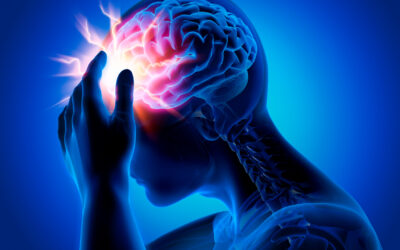
How DTI Helps Detect Brain Damage After Sports-Related Injuries
According to the American Academy of Neurology (AAN), about 1.6 to 3.8 million concussions result from sports-related injuries in the United States each year. These injuries can affect any person no matter his or her age, weight, height, gender, or athletic ability....
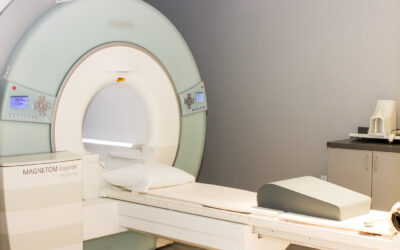
The Benefits of an Open-Bore MRI Scanner
Magnetic resonance imaging (or MRI) is a form of diagnostic imaging used to develop images of human organs and tissues. MRI uses a large magnet to send radio signals to a nearby computer, creating a detailed, cross-sectional image of internal organs, soft tissue, and...

Tips to Combat Anxiety Before and During an MRI
The standard MRI is notorious for creating a sense of anxiety in patients of all ages. Sensitive patients have trouble completing MRI exams, especially because the exam usually takes place inside a small, condensed space. The magnetic resonance imaging (or MRI) scan...
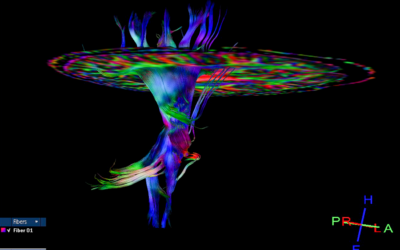
DTI Plays Major Role in $6 Million South Florida Settlement
Diffusion Tensor Imaging (DTI) is a neuroimaging technique that can estimate the specific location, orientation, and anisotropy of potential damage after a traumatic brain injury (TBI) or concussion. This innovative technology has become a vital tool in analyzing the...
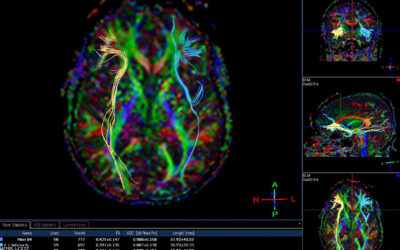
What is Diffusion Tensor Imaging?
Those who have experienced a mild traumatic brain injury (TBI) or concussion know the consequences can be destructive. Victims may suffer from long-term neurological damage if trauma is not properly detected. Thankfully, innovations in diagnostic imaging have led to...

How Can a DEXA Scan Help Identify Osteoporosis?
As we grow older, our body naturally changes. Our physical appearance changes and our inner systems weaken with old age. An active or healthy lifestyle can often help combat aging; however, these are not long-term solutions. Some individuals will endure conditions or...

What You Need to Know About Breast Cancer Awareness Month
October is Breast Cancer Awareness Month, an annual campaign that seeks to raise awareness about all things breast cancer. To support the cause, some individuals adorn the color pink, fundraise for victims of the disease, or volunteer for major organizations like the...
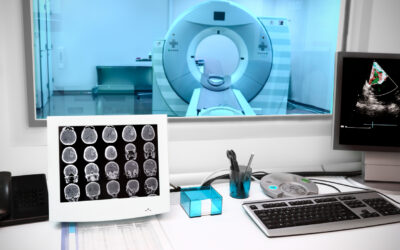
Points to Consider When Choosing a Diagnostic Imaging Center
From serious physical accidents to precautionary testing, digital imaging can be used to investigate a range of medical cases. If someone has been injured, it is likely the victim will need to see a professional to complete an MRI, X-ray, or ultrasound. You may want...

Can Ultrasounds Be Used to Study the Brain?
The human brain is one complex organ. It is the central organ of the nervous system. The brain is the command center of the human body; this means it receives signals from other organs, interprets those signals, and transmits the information to the rest of the body in...
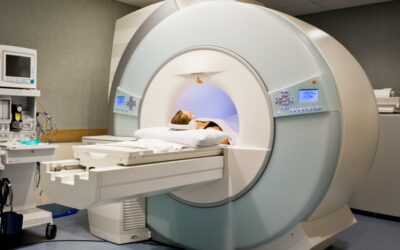
How Does an MRI System Produce a Diagnostic Image?
Most patients who have been scanned by an MRI system are not even sure how the machine produces the diagnostic image. Even though MRIs have been around for decades, patients assume today’s MRI systems are still just as clunky, uncomfortable, and outdated. Windsor...
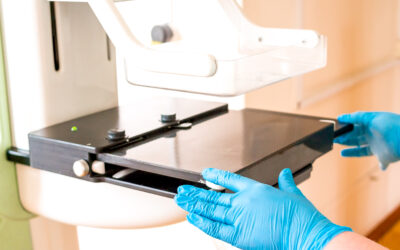
The Benefits of an Annual Mammogram
Women between the ages of 40 and 54 are typically recommended to get screening mammograms each year, according to the American Cancer Society. A mammogram is explained to the patient as a low-dose x-ray examination of the breast. It is considered a non-invasive exam...